

Earth Day, celebrated on April 22 each year, is a global event dedicated to environmental protection and awareness. It brings together organizations, governments, and communities in the shared goal of a healthier planet.
This April, we are reflecting on how the Broadway malls shape our environment and how they contribute to climate resiliency.
The Great Green Way’s Contribution
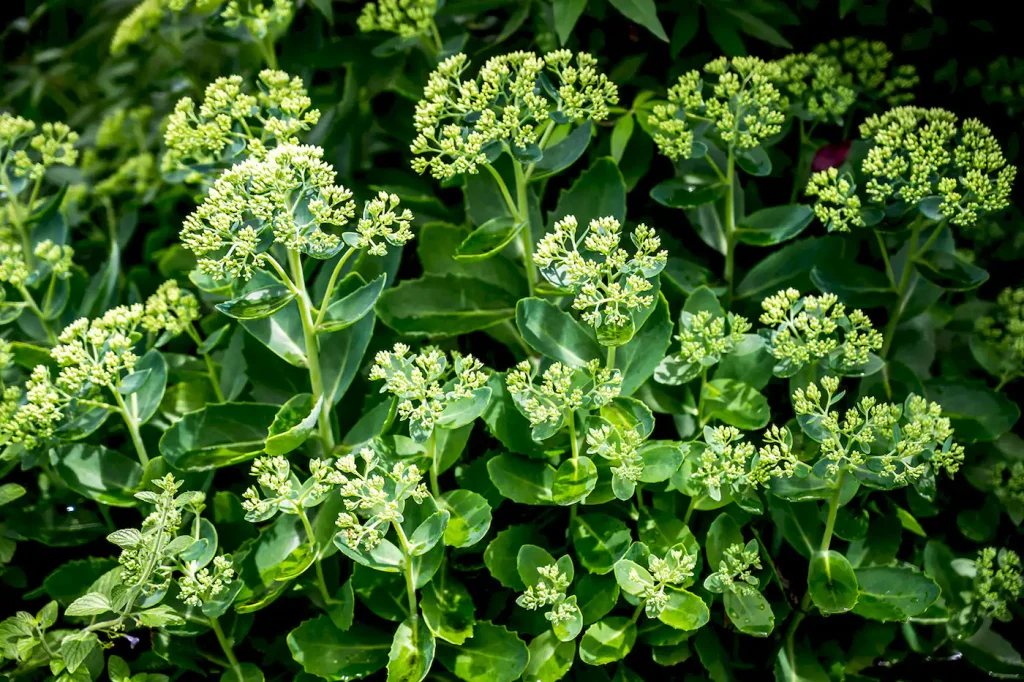
Broadway Mall Association (BMA) is working on The Great Green Way initiative to restore all 83 malls from 70th to 168th Street with native plants. These plants attract pollinators, support biodiversity, develop deep root systems that prevent erosion, improve water infiltration, store carbon, and add organic matter.
To date, 15 malls have been restored with two more scheduled for restoration in May.
Each mall is its own tiny ecosystem, varying in sun, wind, soil, plant species, and public use. BMA emphasizes each mall’s unique character by selecting native plants suited to these “microclimates”, creating more resilient, distinct spaces with a sense of place at each block.
These plants add a variety of colors and textures, creating a sustainable wild garden along Broadway.
Providing Bird Habitats: Proven through the NYC Bird Alliance Study
The NYC Bird Alliance recently conducted a study to assess if the malls serve as a refuge for habitat-sensitive bird species along Broadway. More specifically, they posed the following research questions:
- Are birds using the malls more than nearby avenues?
- What birds are using the habitat in the malls?
- Does native plant restoration increase bird activity?
This was the first large-scale study of street medians as bird habitat, and the findings demonstrate that the Broadway malls are bringing birds back to Broadway. Not only that, but the malls serve as migration stopover and habitat for sensitive bird species. The study also shows that restored malls have more bird abundance and species richness than non-restored malls.
The Malls, Bridge for Other Parks
BMA engages the diverse communities along the five-mile stretch of landscaped malls from Washington Heights to Manhattan’s Upper West Side, creating visually beautiful and culturally vibrant public spaces open to all. These malls act as bridges between green spaces along Manhattan’s west side, linking major parks like Central Park, Riverside Park, Morningside Park, and Fort Tryon Park, as well as smaller parks and community gardens. They also provide essential corridors for birds and pollinators, connecting habitats, nesting areas, and forage sites while fostering connections among the neighborhoods along the Broadway corridor.